
Published on October 25, 2026
The Gregorian, Julian, Islamic, Hebrew, Chinese, Hindu and Persian calendars all answer the same question — and the question has no exact answer. The year is not a whole number of days, the month fits into nothing, and every calendar is a different bet on which fraction to ignore.
Read more →

Published on October 21, 2026
CSV for spreadsheets, JSON for apps, TXT for reading — what actually leaves your phone when you export a TiCaNo session, and the one breaking change in v1.7.0 that a returning spreadsheet must know about.
Read more →

Published on October 18, 2026
Since 1972, every leap second has added a second. The next one, if it ever comes, would delete one — 23:59:59 simply never happens. No system has ever been tested against it, and the world's timekeepers would rather abolish the mechanism than find out.
Read more →

Published on October 10, 2026
No link, no server, no cloud — when you share a TiCaNo session, the app hands text or a file to your phone's share sheet and steps out of the way. The second post in our feature series covers what leaves the phone, and exactly what it contains.
Read more →
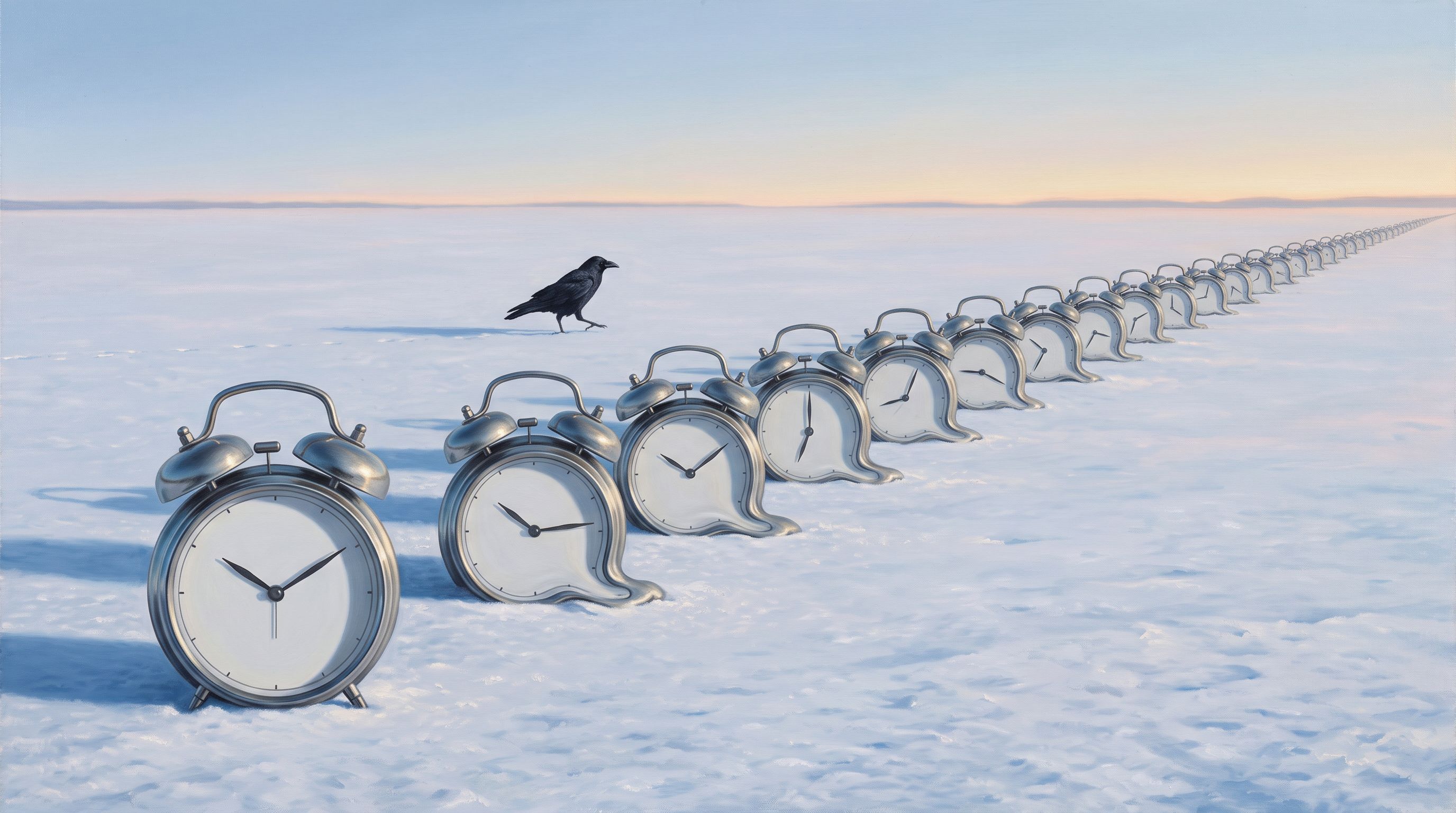
Published on October 6, 2026
Open any server log and every timestamp ends with the same letter. That letter is doing a lot of quiet work, and almost everyone misreads it — UTC is not a time zone at all.
Read more →
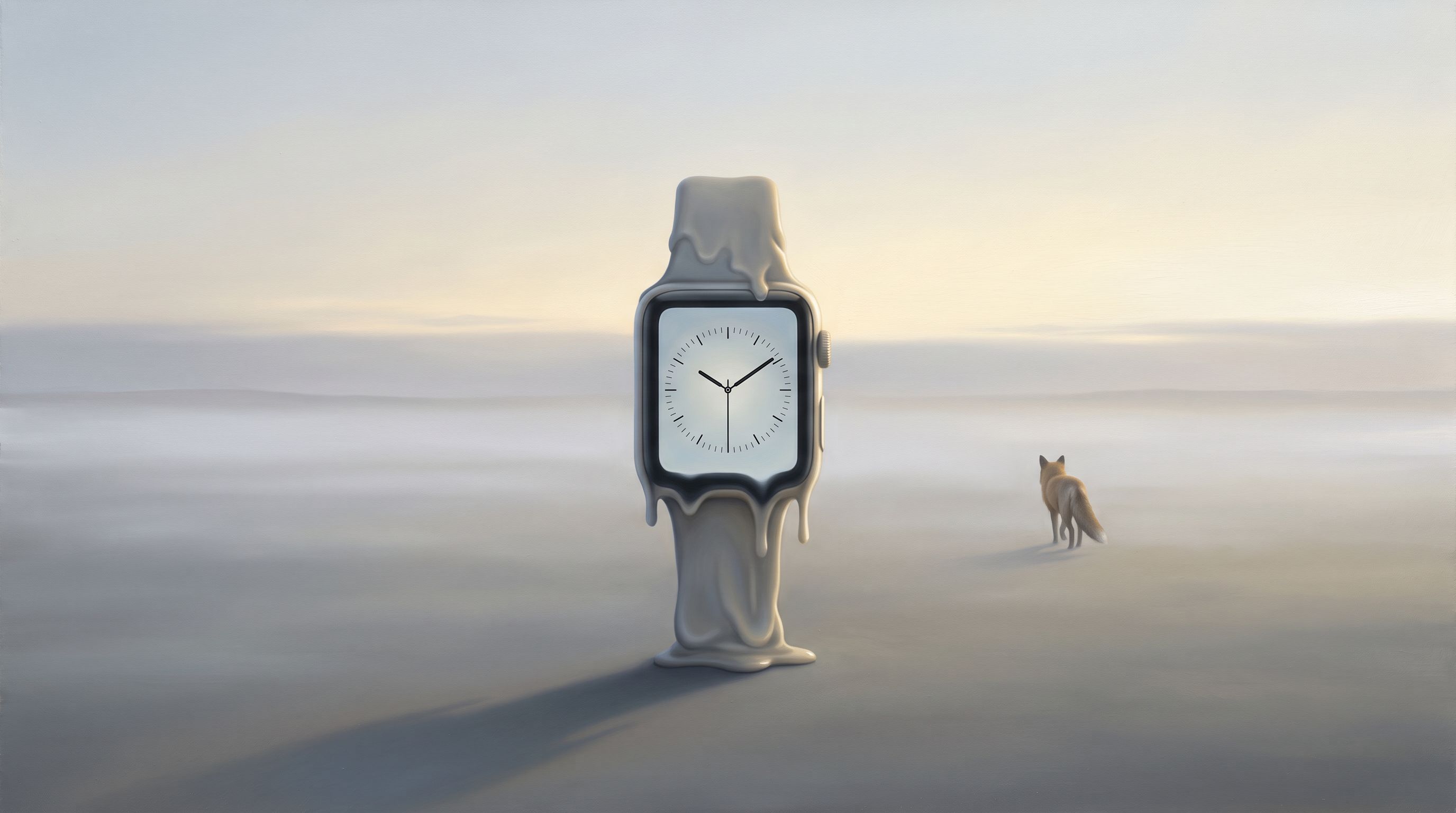
Published on October 4, 2026
One tap on the eye icon and the screen becomes a timer, controls, and breathing room. The first post in our feature series covers exactly what disappears — and the one thing that deliberately doesn't.
Read more →

Published on October 1, 2026
Wall clock over monotonic. A silent notification as the price of staying alive. No analytics in the app you have. Six engineering decisions inside TiCaNo that are settled — and the one we still owe ourselves.
Read more →
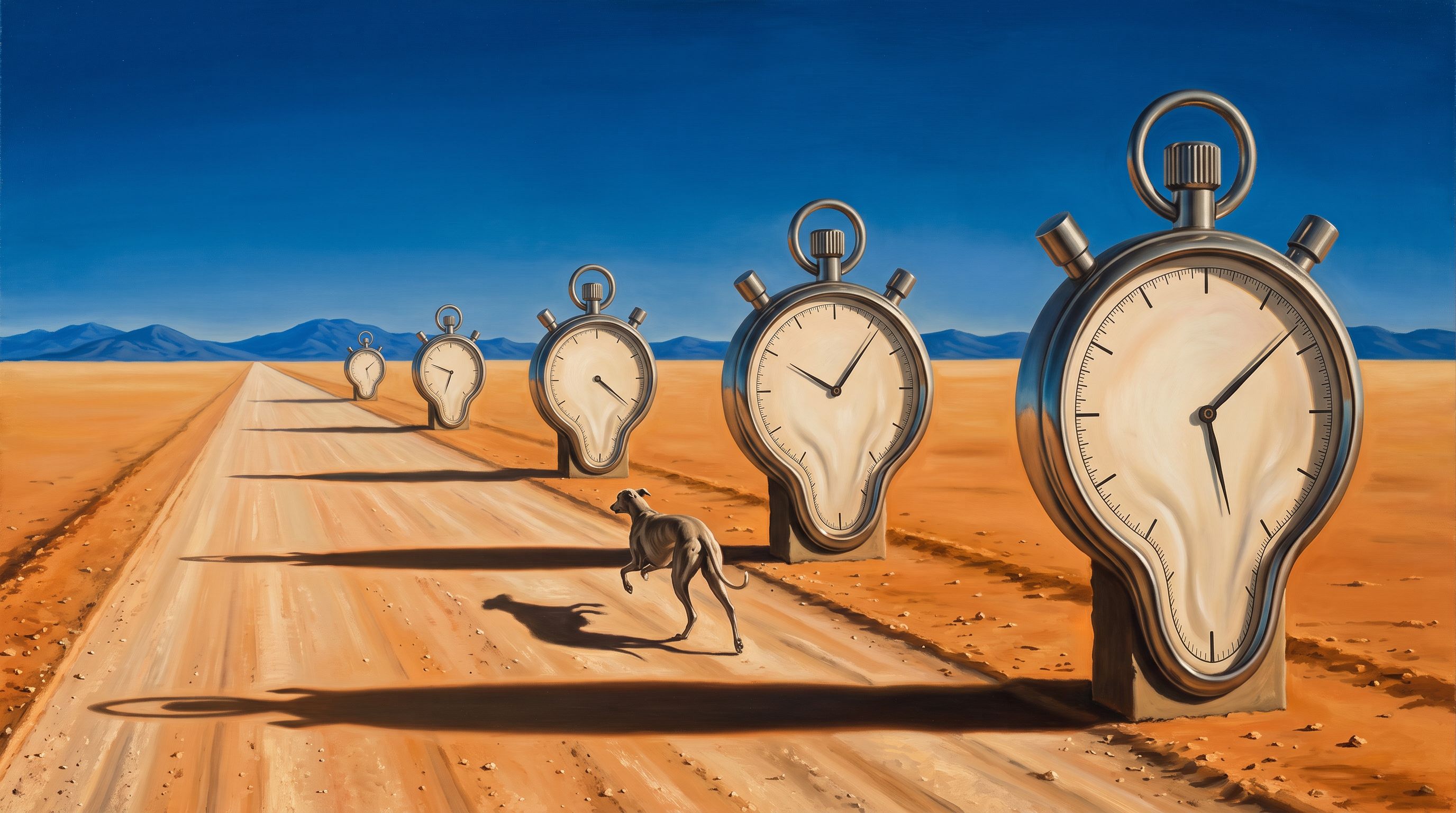
Published on September 29, 2026
Lap 3 tells you nothing six weeks later. "The hill" tells you everything. How lap naming works in TiCaNo Stopwatch v1.7.0 — where the names travel, how to correct the record, and why the same three taps work for a Saturday morning as well as a set of intervals.
Read more →

Published on September 20, 2026
In October 1884, 41 delegates from 25 nations met in Washington to pick one zero for the whole world. The vote was 22 to 1 — and one of the two countries that abstained held out for 27 years.
Read more →
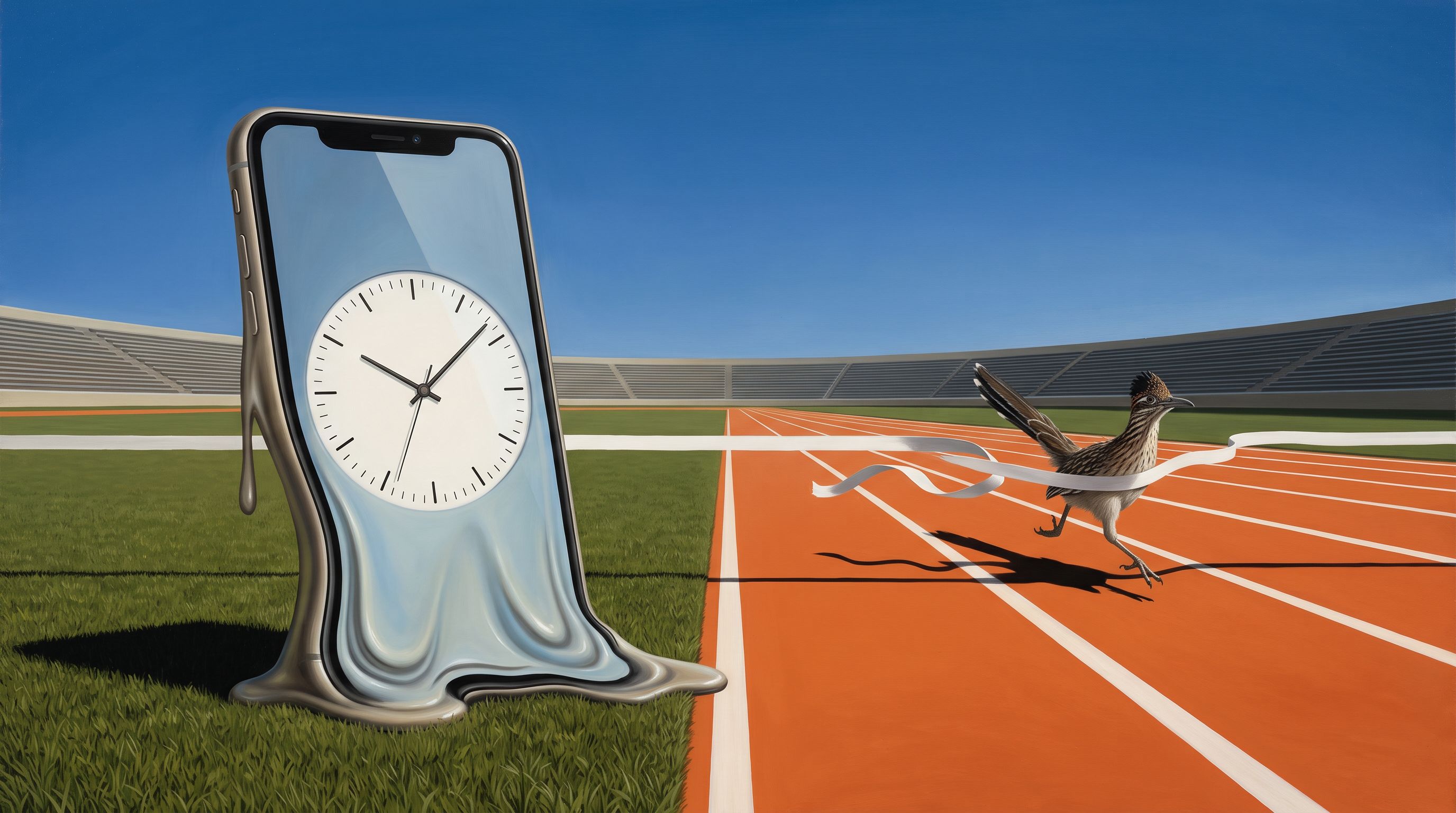
Published on September 16, 2026
Your thumb takes about 200 milliseconds. Your phone's screen adds 100 more. A guide to timing things well anyway — what the numbers mean, which errors cancel, and which ones quietly don't.
Read more →